



Merino wool, alpaca, mohair and other fibres: which yarn should you choose?
Merino wool, alpaca, mohair, silk, cotton and linen: yarn labels often mention several different fibres. Each fibre has its own characteristics. Some provide warmth and elasticity, while others add softness, shine, strength or an airy effect.
The composition of a yarn largely determines how it behaves while knitting, how the finished garment feels and how well it retains its shape. However, the name of the fibre alone does not tell the whole story. There can be significant differences in quality between merino wool, alpaca, mohair and other materials.
At Verelana, we deliberately choose high-quality Lana Grossa yarns and carefully balanced fibre blends. In this guide, we explain where the different fibres come from, what their properties are and how to recognise good quality.
What determines the quality of knitting yarn?
A high percentage of natural fibres does not automatically mean that a yarn is of high quality. Quality is determined by a combination of several characteristics.
For animal fibres, fineness plays an important role. It is measured in microns: one micron is one thousandth of a millimetre. The finer the fibre, the softer it will generally feel against the skin. A low micron value is not the only sign of quality, however. The length, evenness, elasticity and strength of the fibres are also important.
Longer fibres can usually be spun more smoothly and securely. They are less likely to protrude from the yarn, which means that a quality yarn will often shed less and be less prone to pilling. Short or very uneven fibres may come loose more easily and form small balls on the surface.
Spinning and plying also influence quality. A well-constructed yarn has an even thickness and sufficient cohesion. The amount of twist must suit the intended use: a soft, airy yarn requires a different construction from durable sock yarn.
Quality therefore depends on a good balance between:
- the fineness and softness of the fibres;
- the length and evenness of the fibres;
- strength and elasticity;
- careful cleaning, dyeing and processing;
- a well-considered yarn construction;
- a fibre composition suited to the intended project;
- beautiful, even and colourfast shades.
A quality yarn does not necessarily need to consist of only one fibre. A carefully designed blend can offer better properties than a yarn made from a single material. The fibres can complement one another in terms of softness, shape retention, strength, warmth and wearing comfort.
Merino wool: soft, elastic and versatile
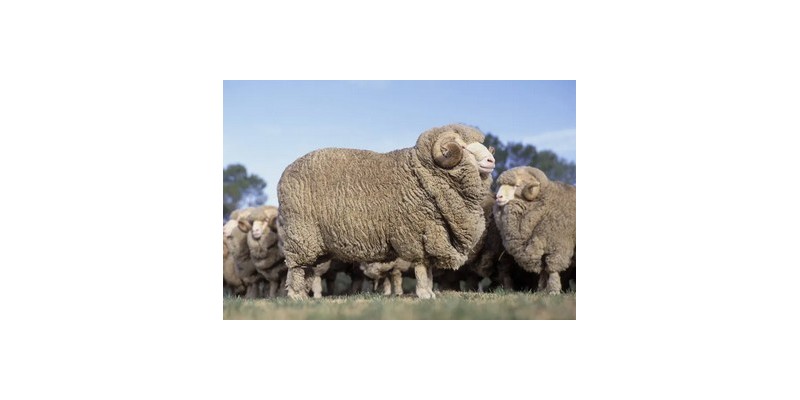
Merino wool comes from merino sheep. Its fibres are finer than those of many other sheep breeds. Good-quality merino wool therefore feels softer and can often be worn directly against the skin.
Merino wool is naturally elastic. A sweater or cardigan made from merino wool moves comfortably with the body and returns more easily to its original shape after wear. The fine crimp in the fibre traps air, allowing merino wool to insulate effectively without necessarily becoming heavy.
Wool can also absorb and release water vapour. This helps regulate heat and moisture. Merino wool is therefore suitable not only for thick winter sweaters, but also for finer garments that can be worn during different seasons.
Merino wool is a good choice for:
- sweaters and cardigans;
- baby and children’s clothing;
- scarves, hats and gloves;
- socks and sportswear;
- garments worn directly against the skin.
Terms such as fine, extra fine and superfine merino refer to finer quality grades. The finer and more even the fibres are, the softer and more refined the finished yarn will generally feel.
Those looking for a versatile merino yarn will find the well-known Cool Wool family within the Lana Grossa collection. These yarns combine softness, elasticity and an even stitch definition.
Alpaca: light, warm and soft
Alpaca fibre comes from the alpaca, a camelid originally from the Andes region of South America. Alpaca is known for its excellent insulation and relatively low weight.
The fibres feel smooth and soft and often give knitted fabric an elegant, slightly fluffy appearance. Alpaca generally has less natural elasticity than merino wool. It is therefore often blended with merino, cotton, polyamide or another fibre that adds structure and shape retention.
The term baby alpaca primarily refers to a fine quality grade. It does not necessarily mean that the fibre comes exclusively from young animals. The yarn must meet certain standards of fineness and softness.
Alpaca is particularly suitable for:
- lightweight but warm sweaters and cardigans;
- scarves, shawls and cowls;
- airy winter accessories;
- yarns with a soft and luxurious appearance.
A good example is Lana Grossa Alpaca Air II. This airy yarn combines baby alpaca with merino wool and a functional supporting fibre. The result is a voluminous knitted fabric that feels warm without becoming unnecessarily heavy.
Mohair: airy, lustrous and strong
Mohair comes from the Angora goat. It should not be confused with the Angora rabbit, which produces angora fibre. Mohair has a characteristic sheen and combines an airy appearance with surprising strength.
The fine hairs create a soft halo around the knitted fabric. Even a simple pattern can therefore acquire an elegant and refined appearance. Mohair is often knitted more loosely, creating a very lightweight garment that still provides pleasant warmth.
Kid mohair and superkid mohair are finer quality grades. Superkid mohair is selected for its exceptional fineness and softness and is often used in premium fashion yarns.
Mohair is suitable for:
- lightweight sweaters and cardigans;
- scarves and shawls;
- lace and openwork patterns;
- holding together with another yarn for extra softness;
- projects with a gentle sheen and fluffy surface.
A mohair yarn does not need to be thick to provide warmth. The air trapped between the fine fibres acts as insulation. Lana Grossa uses high-quality mohair in yarns such as Setasuri and Mohair Di Gio.
Silk: shine, strength and beautiful drape
Silk is a natural protein fibre obtained from the cocoon of the silkworm. Its long, smooth fibre gives it a characteristic sheen and a cool, supple feel.
Silk is exceptionally strong in relation to its fineness. In knitting yarn, it adds beautiful drape, extra shine and a refined appearance. It is often blended with merino, mohair or alpaca.
In a mohair-and-silk blend, the silk supports the fine mohair fibres and gives the yarn more cohesion. In a merino-and-silk blend, silk adds shine and suppleness, while merino wool provides elasticity and warmth.
Silk is particularly suitable for:
- elegant sweaters and tops;
- scarves and shawls;
- lace and openwork patterns;
- refined garments or special-occasion clothing;
- high-quality fibre blends.
Cotton: cool, absorbent and strong
Cotton is a plant fibre that grows around the seeds of the cotton plant. Cotton yarn generally feels cooler than wool and is therefore very popular for spring and summer projects.
Cotton absorbs moisture well, is strong and produces clearly defined stitches. Cables, textured patterns and crochet work can therefore look particularly attractive. Cotton has less natural elasticity than wool, however. A garment made from pure cotton may become heavier and stretch slightly over time.
The quality of cotton depends partly on the length and fineness of the fibres. Long-staple cotton can be spun more smoothly and securely. Combing, mercerisation and the way the yarn is plied also influence its appearance and durability.
Mercerised cotton has a smoother, shinier finish and often takes colour particularly well. Non-mercerised cotton usually has a more matt and natural appearance.
Cotton is suitable for:
- summer tops and lightweight cardigans;
- baby and children’s clothing;
- crochet projects;
- blankets and home accessories;
- garments for people who prefer to avoid animal fibres.
Linen: cool, strong and full of character
Linen is made from the stems of the flax plant. It is a strong plant fibre that feels cool and can absorb and release moisture quickly.
New linen may initially feel slightly firm, but it becomes increasingly supple through wear and washing. Its natural, slightly irregular structure gives knitted fabric a distinctive character.
Linen has little elasticity. It is therefore often blended with cotton, viscose, wool or silk. This preserves its cool and dry feel while making the yarn easier to work with and more comfortable to wear.
Linen is especially suitable for:
- airy summer sweaters and tops;
- cardigans with a fluid drape;
- timeless garments with a natural appearance;
- home accessories and bags.
Viscose, modal and lyocell: fibres made from cellulose
Viscose, modal and lyocell are made from natural cellulose, usually obtained from wood pulp. Because the cellulose is technically processed and reformed into fibres, they are known as regenerated cellulose fibres.
These fibres often feel smooth and supple and give knitted fabric an attractive drape. They are frequently blended with cotton, wool or other natural fibres.
Viscose generally adds softness, shine and fluidity. Modal is also soft and has good shape retention. Lyocell is known for its smooth feel, moisture absorption and strength.
In a quality yarn, these fibres may be used deliberately to:
- create a more fluid drape;
- make a summer yarn softer;
- add shine;
- improve moisture comfort;
- technically strengthen a plant-fibre blend.
Why do high-quality yarns sometimes contain polyamide?
The presence of a synthetic fibre does not automatically mean that a yarn is of lower quality. In premium yarns, polyamide is often used for a specific functional purpose and in a carefully chosen proportion.
Polyamide can increase wear resistance, support the shape or act as a very fine core around which soft fibres are blown. This can make a yarn appear thick and voluminous while remaining surprisingly lightweight.
In sock yarn, polyamide protects the wool from rapid wear at the heel and toes. In airy alpaca and merino yarns, a fine polyamide core can help hold the soft fibres together and improve the shape retention of the garment.
Quality therefore depends not only on the percentage of natural fibres, but also on whether every fibre serves a clear purpose and whether the composition is technically well balanced.
What do virgin wool, superwash and recycled mean?
Virgin wool means that the wool is being processed into textiles for the first time and does not come from previously used or recycled wool products.
Superwash refers to a treatment that makes wool less likely to felt and usually allows it to be washed in a washing machine. Always check the care label, as temperature, wash programme and drying method remain important.
Recycled means that fibre material has been processed again. This can be environmentally beneficial, but recycled fibres are generally shorter. They are therefore sometimes blended with new fibres to retain sufficient strength and evenness.
Which fibre is best for your project?
There is no single fibre that is best for every project. The right choice depends on what you want to make and how the finished item should feel.
- For a soft sweater: merino, alpaca or a combination of both.
- For a light, fluffy cardigan: mohair with silk or merino.
- For a refined scarf: silk, superfine merino, mohair or baby alpaca.
- For socks: merino wool or virgin wool with a reinforcing fibre.
- For summer clothing: cotton, linen, silk or cellulose fibres.
- For baby clothing: soft, even yarns that suit the intended care requirements.
- For clearly defined cables and textures: elastic merino or firmly plied cotton.
- For an airy effect: mohair, alpaca or a blown-yarn construction.
In addition to the fibre composition, always check the recommended needle size, gauge, yardage and care instructions. A tension swatch remains the best way to assess how a yarn will behave in your chosen pattern.
Buy high-quality knitting yarn at Verelana
At Verelana, you will find an extensive selection of high-quality Lana Grossa yarns containing merino, alpaca, mohair, cotton, silk and carefully balanced fibre blends.
We do not select yarns based on softness alone. The quality of the fibres, the evenness of the yarn, wearing comfort, colour, durability and suitability for the finished project are equally important.
Are you unsure whether merino, alpaca, mohair or cotton is best suited to your project? In our yarn shop in Sint-Truiden, you can feel the yarns, compare colours and ask for advice. This allows you to choose not only a beautiful ball of yarn, but a quality yarn that truly matches your pattern and expectations.